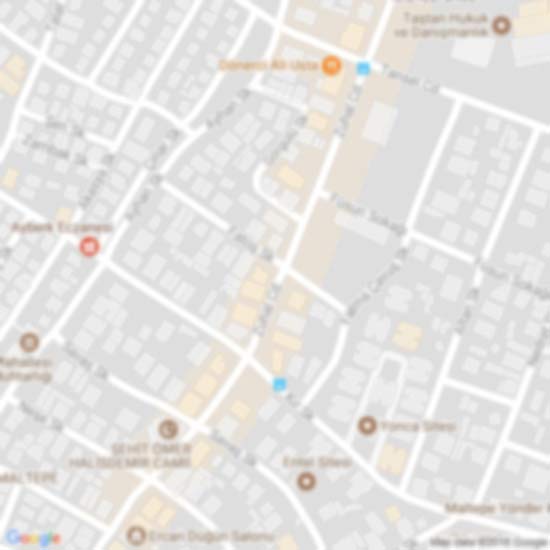

The Great Mosque of Diyarbakır, Diyarbakır Ulu Camii, Mizgefta Mezin a Amedê) is the former St. Thomas Christian Church, one of the oldest churches in history. The mosque is considered by some to be the fifth holiest site in Islam. It can accommodate up to 5,000 worshippers and is famous for hosting four different Islamic traditions.HistoryThe mosque as it is known today was built in 1091 by the Seljuk ruler Malik-Shah. The design influenced by the Umayyad Mosque in Damascus, used the locally found black basalt rock. The mosque suffered extensive damage in a fire in 1155.The Great Mosque of Diyarbakir is the oldest and one of the most significant mosques in Mesopotamia. Following the Muslim capture of Diyarbakir in 639, a mosque was built, but the building fell into disuse and ruin sometime later. Even after the conversion of the church into the mosque, it was used by both Muslims and Christians. In 1091 Sultan Malik Shah directed the local Seljuk governor Maidud Davla to rebuild a mosque on the site. Completed in 1092, the mosque is similar to and heavily influenced by the Umayyad Great Mosque in Damascus (which was repaired by Malik Shah in the twelfth century prior to work in Diyarbakir). The influence of the Damascus mosque brought Syrian architecture and decoration to Anatolia. The portal of the mosque is carved with two lions attacking two bulls. The mosque consists of a prayer hall which makes up the entire south wall of the courtyard, three aisles which together are more than twice as wide as they are deep. The high roof of the central hall is made of timber trusses, supported by rows of rectangular stone piers.The mosque is actually a complex of buildings around a courtyard 63m long by 30m wide. The façade of the courtyard is highly decorated two-story colonnade on the east, south, and west sides, with only one story on the north side. The western façade, rebuilt by the Atabek Inaloglu Abu Mansur Ilaldi between 1117 and 1125 following an earthquake and fire in 1115, reuses columns and sculptural moldings from a Roman theater. The architect Hibat Allah al Gurgani was responsible for both that reconstruction and the square minaret rising above the qibla wall. Also included in the complex are the Mesudiye Medresesi (1193) and, not connected to the courtyard, the Zinciriye Medresesi (1189). The center of the courtyard has an Ottoman (1849) sadirvan (ablution fountain
 Diyarbakır Ulu Cami
51 metre
Tarihi ve mimari özellikleri ile muhteşem olan Ulu Cami, Nebi Cami ve Safa Cami Diyar...
Diyarbakır Ulu Cami
51 metre
Tarihi ve mimari özellikleri ile muhteşem olan Ulu Cami, Nebi Cami ve Safa Cami Diyar... Diyarbakır Ulu Camii
53 metre
İnsana manevi bir his katıyor. Müezzini desen maşaAllah. Bu yerlerin çocuklarımız dah... Marea Moschee din Diyarbakır
53 metre
Muhteşem.Diyarbakır Ulu Camii şehrin merkezinde yer alır. Yapım tarihi kesin olarak b... Grande Mosquée de Diyarbakır
53 metre
Gece gidebilme şansımız oldu iyi ki de böyle olmuş. Yatsı ezanını avluda dinledik. Bö... Ahmet Arif Literature Museum Library
84 metre
Çok çok beğendim. Ahmed Arif in kalemi gözlüğü mektubu eserleri üstüne giydiği yeleği... Cahit Sıtkı Tarancı Müze Evi
85 metre
Diyarbakır Ulu Camii
53 metre
İnsana manevi bir his katıyor. Müezzini desen maşaAllah. Bu yerlerin çocuklarımız dah... Marea Moschee din Diyarbakır
53 metre
Muhteşem.Diyarbakır Ulu Camii şehrin merkezinde yer alır. Yapım tarihi kesin olarak b... Grande Mosquée de Diyarbakır
53 metre
Gece gidebilme şansımız oldu iyi ki de böyle olmuş. Yatsı ezanını avluda dinledik. Bö... Ahmet Arif Literature Museum Library
84 metre
Çok çok beğendim. Ahmed Arif in kalemi gözlüğü mektubu eserleri üstüne giydiği yeleği... Cahit Sıtkı Tarancı Müze Evi
85 metre
 Zinciriye Medresesi Diyarbakır
100 metre
Zinciriyle Medresesi, Diyarbakır'ın ilim tarihinin öncü mekanlarından birisi. Her ziy...
Zinciriye Medresesi Diyarbakır
100 metre
Zinciriyle Medresesi, Diyarbakır'ın ilim tarihinin öncü mekanlarından birisi. Her ziy... İSKENDER PAŞA KONAĞI
298 metre
Bu sayfa bir tarihi tanıtım sayfasıdır.Mevcut yerel işletme ile igisi yoktur
İSKENDER PAŞA KONAĞI
298 metre
Bu sayfa bir tarihi tanıtım sayfasıdır.Mevcut yerel işletme ile igisi yoktur Diyarbakır AMED KADiM KENT
436 metre
Çok lezzetli tatlıları Güler yüzlü ve samimi servisleri için teşekkür…
Diyarbakır AMED KADiM KENT
436 metre
Çok lezzetli tatlıları Güler yüzlü ve samimi servisleri için teşekkür… Diyarbakır Doğunun Parisi
4 km
Diyarbakır Şehrimizin Tanıtımını Yaptığımız Sayfamıza Tüm Diyarbakır Severleri Bekliy... Diyarbakır Stadium
10 km
2019-2020 sezonundan itibaren Amedspor ve Diyarbekirspor'un iç saha maçlarını oynadığ...
Diyarbakır Doğunun Parisi
4 km
Diyarbakır Şehrimizin Tanıtımını Yaptığımız Sayfamıza Tüm Diyarbakır Severleri Bekliy... Diyarbakır Stadium
10 km
2019-2020 sezonundan itibaren Amedspor ve Diyarbekirspor'un iç saha maçlarını oynadığ... Ortaklar YAPI
40 km
Ortaklar YAPI
40 km
 Petekkaya Köyü - Nışnig
73 km
Bu Sayfayı açmamızın sebebi,
Köyünden ayrılan herkesin en az köyde yaşayanlar kadar b...
Petekkaya Köyü - Nışnig
73 km
Bu Sayfayı açmamızın sebebi,
Köyünden ayrılan herkesin en az köyde yaşayanlar kadar b... Thug Life Turkey
986 km
Thug Life Turkey
986 km